
The In-VITAL team is made up of a principal investigator, four research fellows and sixteen indigenous advisors based in locations across xyz, bringing expertise in example, example and example.
Dr Maria Paula Prates
Principal Investigator

Read bio
text here
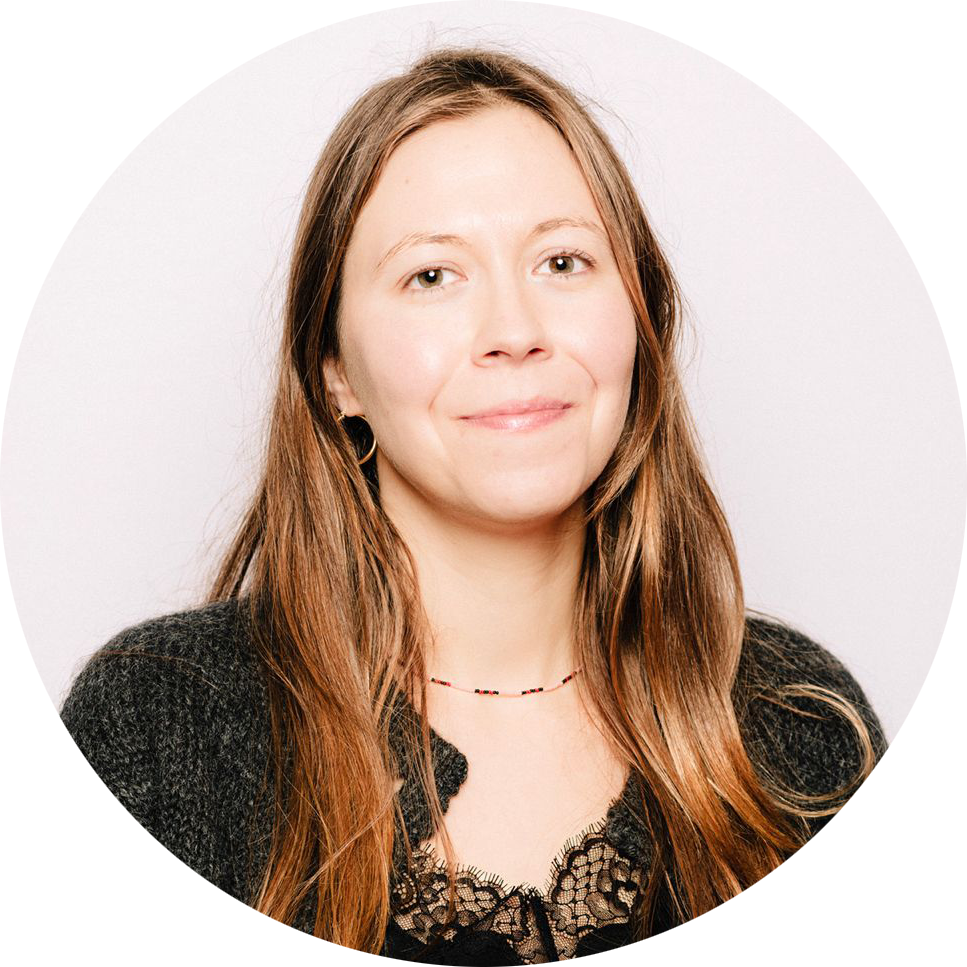
Dr Charlotte Hoskins
Research Fellow, UCL
Read bio
Charlotte Hoskins is a Research Fellow within the Wellcome Trust-funded project In-Vital: Indigenous Peoples and Vital-Toxic Relations at the University College London (UCL) Department of Anthropology. She is a social and visual anthropologist specialising in gender and kinship, and their intersections with labour, health, and re/production in Northern Amazonia.
Since 2012, she has conducted research with Makushi communities in Guyana, writing a doctoral thesis on gender, materiality and social change. Building on this research, she has published on themes related to cassava, cotton, menstruation, and death.
Before joining In-Vital, she held a Fyssen Foundation Postdoctoral Fellowship at the Laboratoire d’Anthropologie Sociale, Collège de France and a Postdoctoral Affiliation at the University of Oxford, where she led a British Museum Endangered Material Knowledge Programme grant.
Dr Luna Mendes
Research Fellow, UCL
Read bio
text here
Dr Spensy Pimentel
Research Fellow, UCL
Read bio
text here
Dr Joaquín Zubizarreta
Research Fellow, UCL
Read bio
text here
At FIOCRUZ (Brazil)
Prof Silvia Guimarães
UnB
Read bio
text here
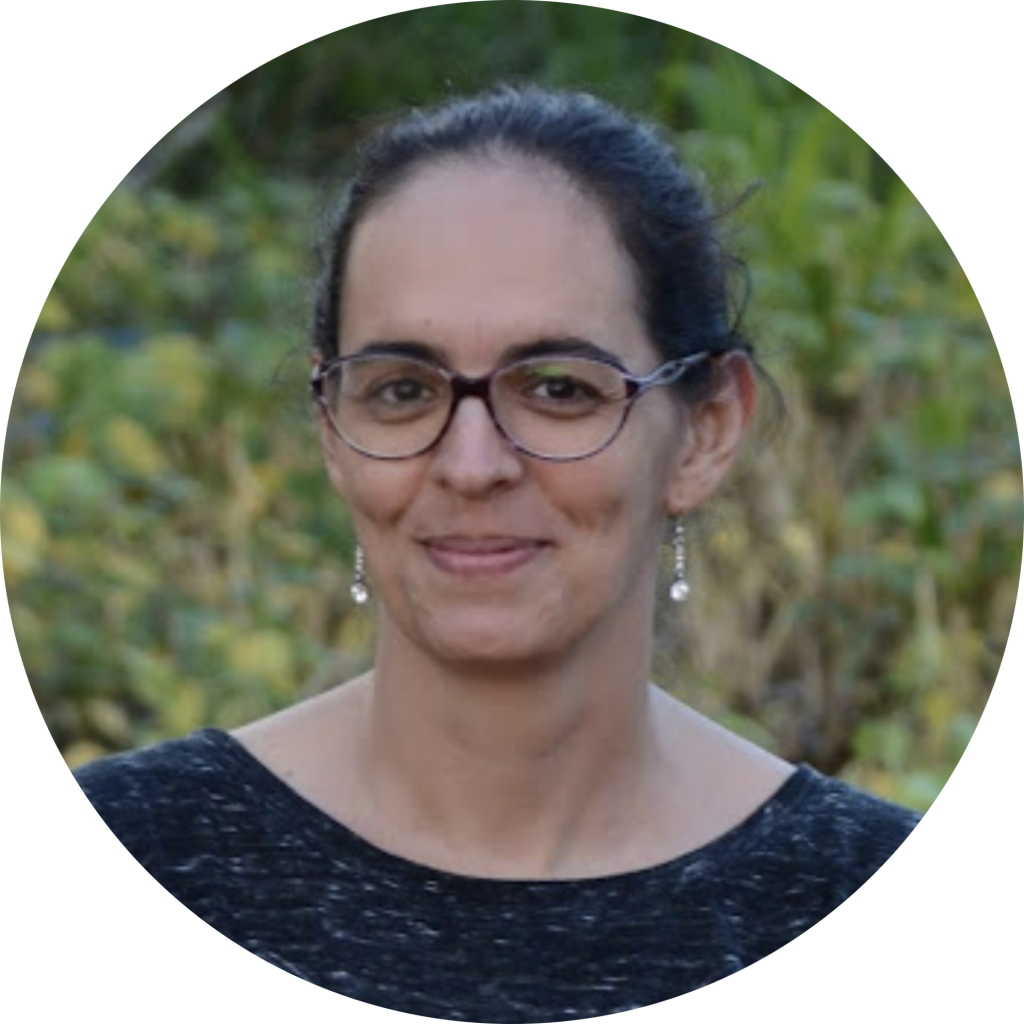
Dr Raquel Dias-Scopel
Fiocruz
Read bio
I am a social anthropologist and Senior Researcher at the Oswaldo Cruz Foundation (Fiocruz Mato Grosso do Sul) and an associate researcher at the National Institute of Science and Technology Brasil Plural (INCT-IBP). I have extensive experience in long-term ethnographic fieldwork with Lowland South American Indigenous Peoples and research in Medical Anthropology and Ethnology, focusing on collective self-care practices, Indigenous women’s health, and public policies. Since 2018, I have been coordinating a project on health and sustainability to address the relations between structural violence, climate change and embodied inequalities among Indigenous peoples of Mato Grosso do Sul, Brazil. Within this project, we conduct collaborative knowledge co-production through training courses and ethnographic filmmaking.
Dr Daniel Dias-Scopel
Fiocruz
Read bio
text here
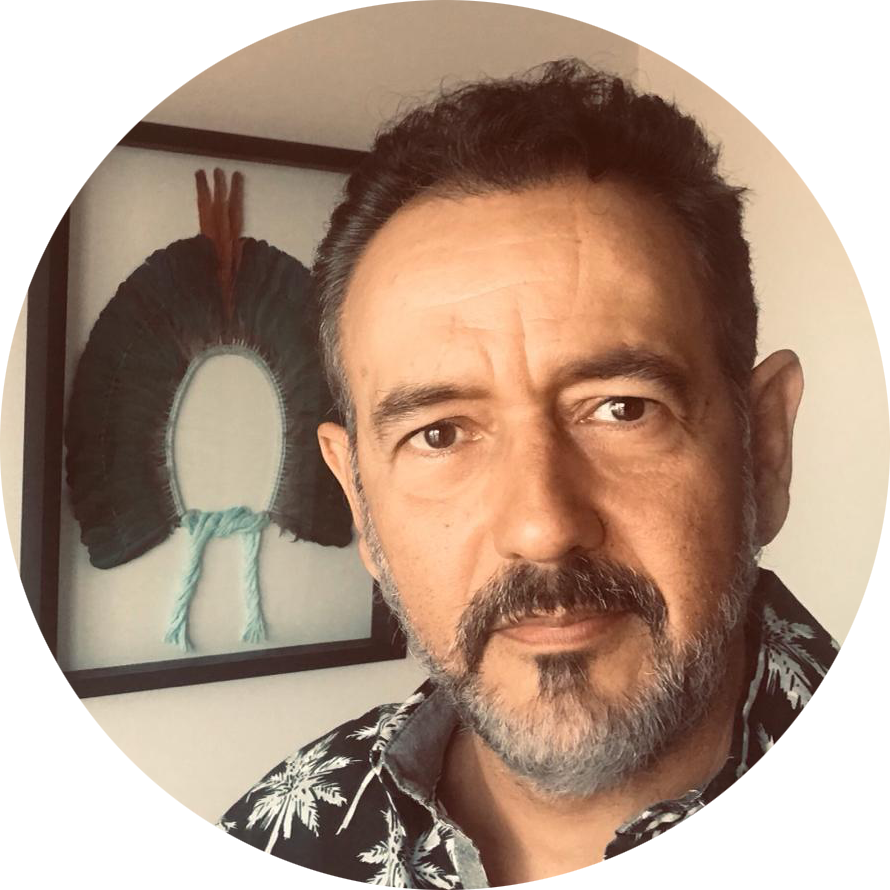
Dr Paulo Cesar Basta
Fiocruz
Read bio
Paulo Cesar Basta is a physician and holds a PhD in Public Health from the Oswaldo Cruz Foundation (Fiocruz), Brazil. Since 2006, he has been a researcher at the Sergio Arouca National School of Public Health (ENSP/Fiocruz) and a faculty member of its Graduate Program in Public Health Epidemiology. He coordinates two CNPq-certified research groups focused on environment, diversity, health, and tuberculosis in Indigenous territories. His research addresses Indigenous health, infectious diseases, health inequalities, and mercury contamination. Since 2013, he has supervised Brazil’s Mais Médicos Program in Amazonian Indigenous territories. He is also a cultural producer and coordinator of the Science and Poetry Project @cienciaepoesia
PhD candidates
Victoria Balduga Vieira da Silva
Read bio
text here
MPhil students
Nina Reckziegel
Read bio
I hold a degree in Psychology, with specialisation through the Multiprofessional Residency in Indigenous Health at UFGD (Federal University of Grande Dourados). I am currently a master’s student in Social Anthropology at the Postgraduate Program of the Federal University of Rio Grande do Sul (UFRGS). My research focuses on relationships among Kaiowá children in territorial reclamation efforts in Mato Grosso do Sul, as well as their understanding of chemical and environmental changes in the state’s southern region.
Raíssa Almeida de Magalhães
Read bio
Raíssa Almeida is a master’s student in Anthropology and an undergraduate student in Psychology at the University of Brasília (UnB), where she also earned her bachelor’s degree in Anthropology. Her research focuses on the anthropology of health and Indigenous peoples; she has conducted fieldwork among the Kaiowá, investigating practices of care, suffering, and self-inflicted deaths. She has also been involved in interdisciplinary research concerning the Yanomami Indigenous Territory, participating in the participatory development of an environmental recovery plan, as well as studies on the impacts of illegal gold mining on the territory, health, and ways of life of the Yanomami and Ye’kwana peoples. Currently, as part of her master’s studies, she is conducting research on self-inflicted deaths among the Sanumá.
Undergraduate students
Pedro Henrique Jara
Read bio
Undergraduate student in Social Sciences at the Federal University of Rio Grande do Sul (UFRGS) and a member of the Center for Anthropology and Traditional Societies (NIT) at the same institution. My interests lie in the study of Indigenous ethnology, with a particular focus on the processes of the production of the person—drawing upon the body, kinship, memory, mythology, cosmology, and ontology—and how these aspects are translated into, and influence, funerary rites.
Indigenous Researchers and Conselheiros
Gildo Gomes da Silva
Read bio
Gildo Gomes da Silva is an active leader dedicated to the empowerment of Indigenous peoples and the strengthening of Indigenous school education. He resides in the municipality of Rio Grande, in the state of Rio Grande do Sul, Brazil, where he pursues his personal, academic, and community-based endeavors.
He is a law student at the Federal University of Rio Grande (FURG), seeking to expand his legal knowledge to contribute to the defense of the rights, citizenship, and interests of Indigenous peoples.
His work focuses on promoting Indigenous cultures, native languages, traditional knowledge, and the rights of original peoples. In the field of education, he is committed to strengthening Indigenous school education by fostering dialogue among Indigenous leaders, school communities, public officials, associations, and higher education institutions.
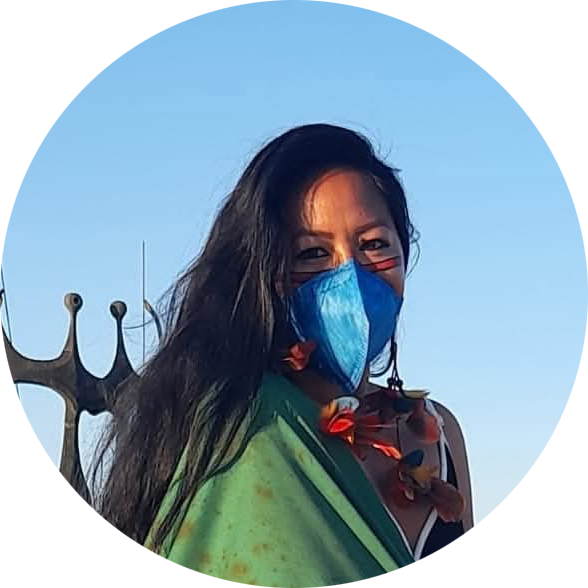
Araci da Silva Yva-Mirim
Read bio
Araci da Silva is an Indigenous female leader from the Tekoa Para Rokē community, located in the municipality of Rio Grande, in the state of Rio Grande do Sul, Brazil.
She is a nurse with the Special Secretariat for Indigenous Health (SESAI) and a graduate of the Federal University of Rio Grande do Sul (UFRGS). Her work focuses on promoting the value of the cultures and traditional medical knowledge of Indigenous peoples. She also has experience as a researcher, having participated in international projects – such as the MRC/UKRI-funded PARI-c – and in the development of a technical report on the sexual and reproductive health of Indigenous women for CHIRAPAQ.
Steering Committee
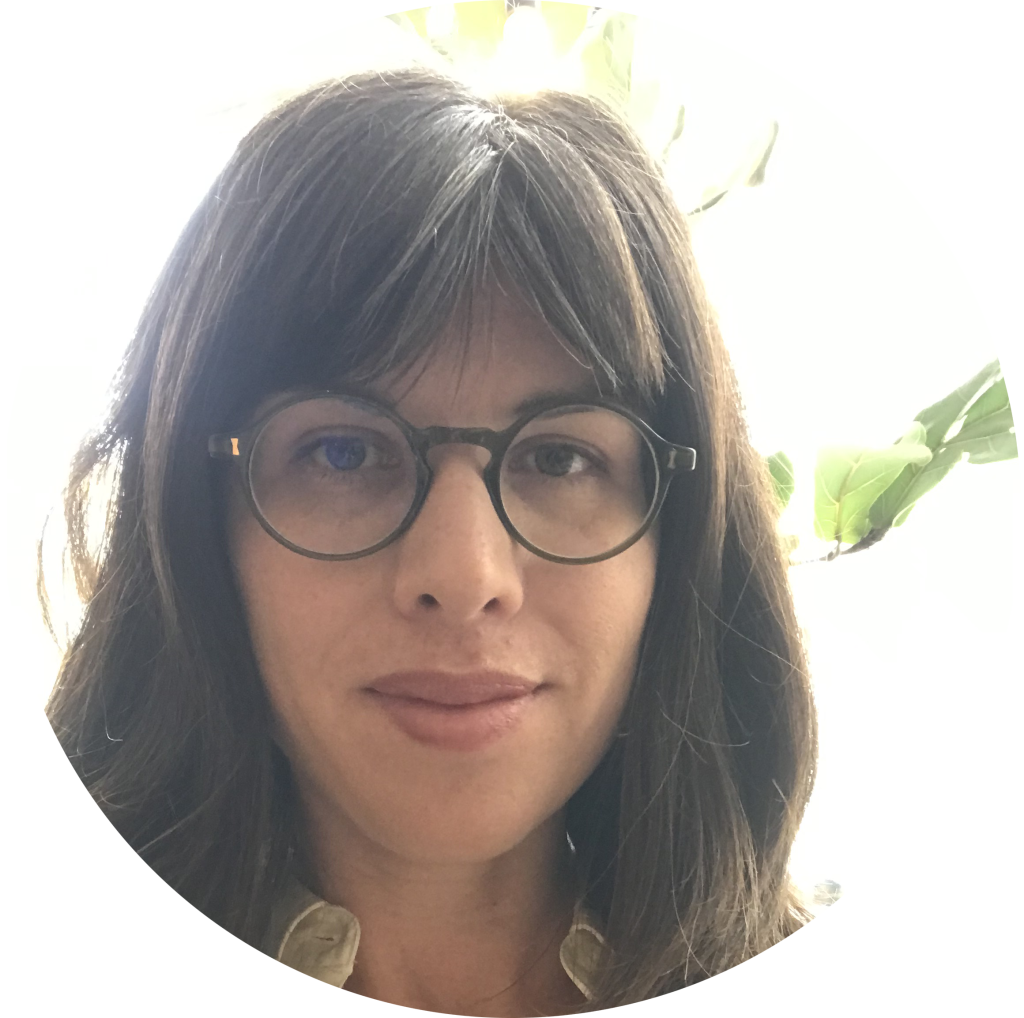
Chloe Nahum-Claudel
Read bio
Chloe Nahum-Claudel is a Lecturer in Social Anthropology at the University of Manchester.
Chloe was a post-doc at the University of Cambridge, LSE, and the EHESS after receiving her PhD from the University of Cambridge in 2012 for research with the Enawene-nawe in Brazil’s Mato Grosso state. She has published a monograph (Vital Diplomacy, Berghahn, 2018) and articles and special issues on cosmology, food and fire, entrapment, women’s movements in Amazonia, and the body and menstruation. Since 2015, Chloe has also worked in Papua New Guinea’s Simbu Province and has been developing a feminist anthropology of witch-hunting.
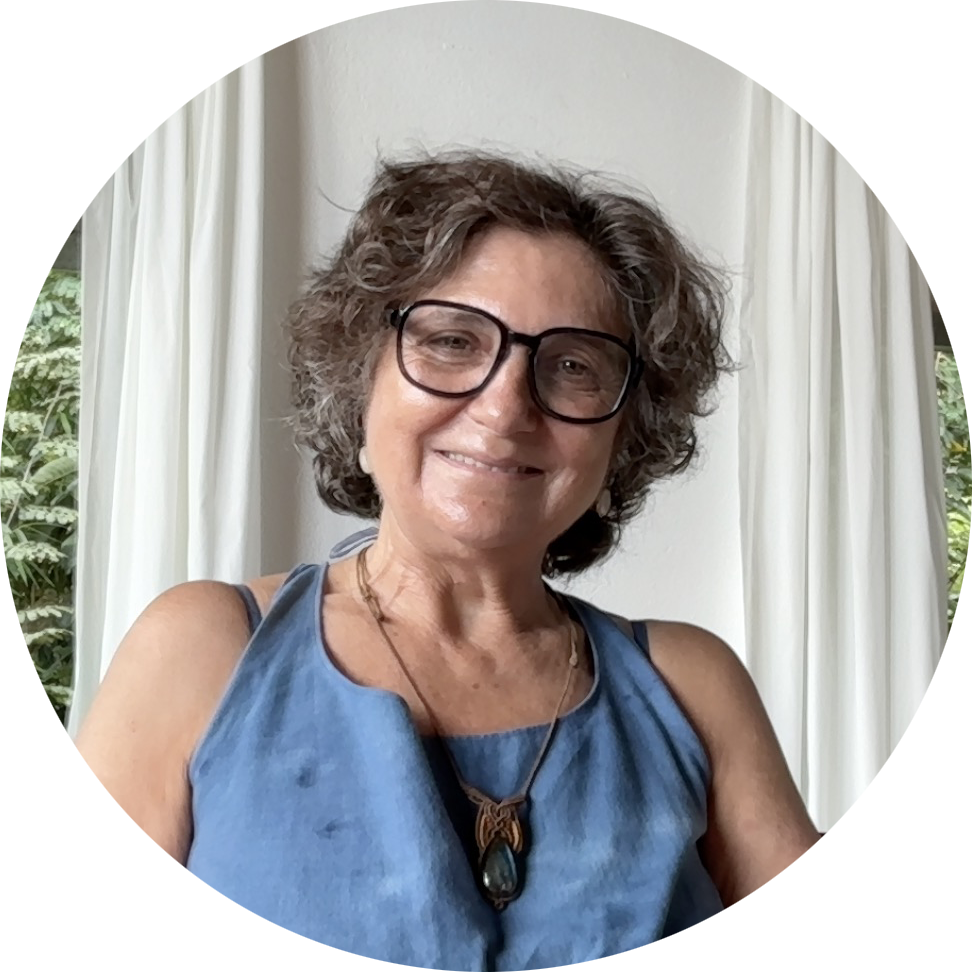
Laura Rival
Read bio
Laura Rival is Professor of Anthropology of Nature, Society and Development at the University of Oxford, where she has divided her teaching time between the School of Anthropology and Museum Ethnography (SAME), the Department of International Development (ODID), and the Latin American Centre (LAC).
Her research interests include Anthropology and interdisciplinarity; Amerindian conceptualizations of nature and society; historical and political ecology; development, conservation and environmental policies in Latin America; sustainability in the Anthropocene; indigenous peoples and theories of human development.
Her intellectual contribution to the Amazonianist Anthropology community has centred on her ethnographic work with the Huaorani (Waorani) people of Amazonian Ecuador and her pioneer work on humans and plants (see the 2025 publication: ‘Amazonia’s cassava and manioc through historical times’ in The Journal of Latin American and Caribbean Anthropology 30:4, e70034).
Since 2020, she has developed a unique programme of research and teaching on change and our capacity for transformation on bounded Planet Earth. The year-long series of seminars, master classes, talks, and workshops she organised during the 2025-2026 academic year demonstrated how anthropology can contribute to addressing a burning question: How can we respond to this systemic crisis?
She is currently working on a book about agroecology and civilisation.
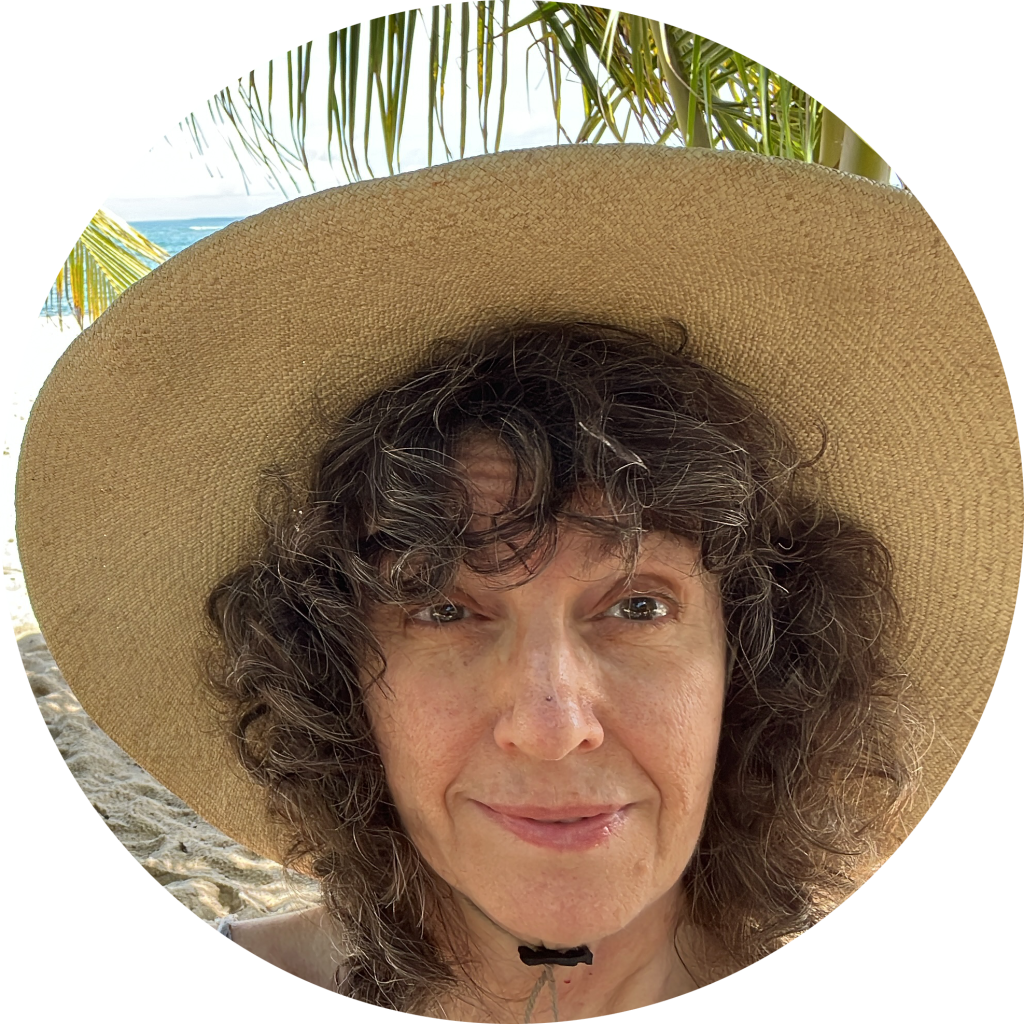
Cecilia McCallum
Read bio
Cecilia McCallum is Professor of Anthropology at the Federal University of Bahia (UFBA), Brazil, and Professorial Fellow at the University of St. Andrews in Scotland. Since 1999 she has been affiliated to UFBA´s Institute of Collective Health (ISC), at MUSA-ISC, the Research Centre in Gender, Sexuality and Health. A specialist in Amerindian studies and a Brazilianist, she researches in both urban and rural contexts, focusing on the anthropology of gender, kinship, personhood, sociality, race, health and reproduction, about which she has published articles since the 1990s, both as single author and as co-author. Her 2001 book Gender and Sociality in Amazonia concerned the Huni Kuin (Cashinahua), about whom she has published a series of articles, including ‘The Body that Knows’ (1996), and ‘Cashinahua Perspectives on Functional Anatomy’ (2014). She is co-editor of The Cambridge Handbook for the Anthropology of Gender and Sexuality (2023).
Data Monitoring Board
TBC
Position

Read bio
text here
TBC
Position
Read bio
text here
TBC
Position
Read bio
text here
TBC
Position
Read bio
text here